The Four Grand Slams: Dates, Surfaces and What Makes Each One Special
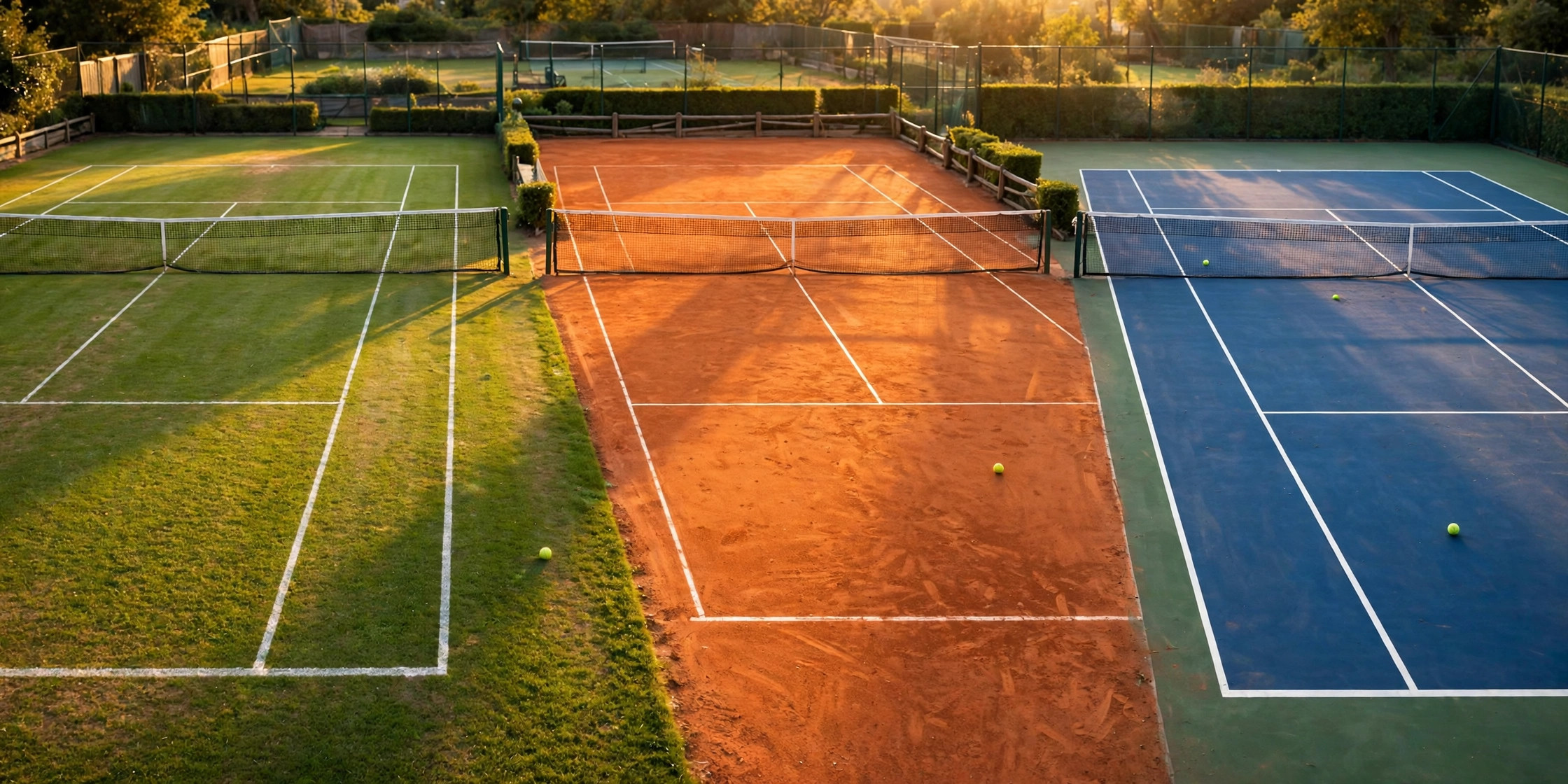
The Grand Slam tournaments are the four pillars of the tennis calendar, and everything else in the sport is arranged around them. Win one and your name is remembered for ever; win all four in a single year and you have completed the calendar Grand Slam, a feat so rare it has been achieved only a handful of times in the sport’s history. For fans, the beauty of the four is that they are not four copies of the same event. They fall in different seasons, on three different surfaces, in four different cultures — and each one asks a slightly different question of the players who want to win it.
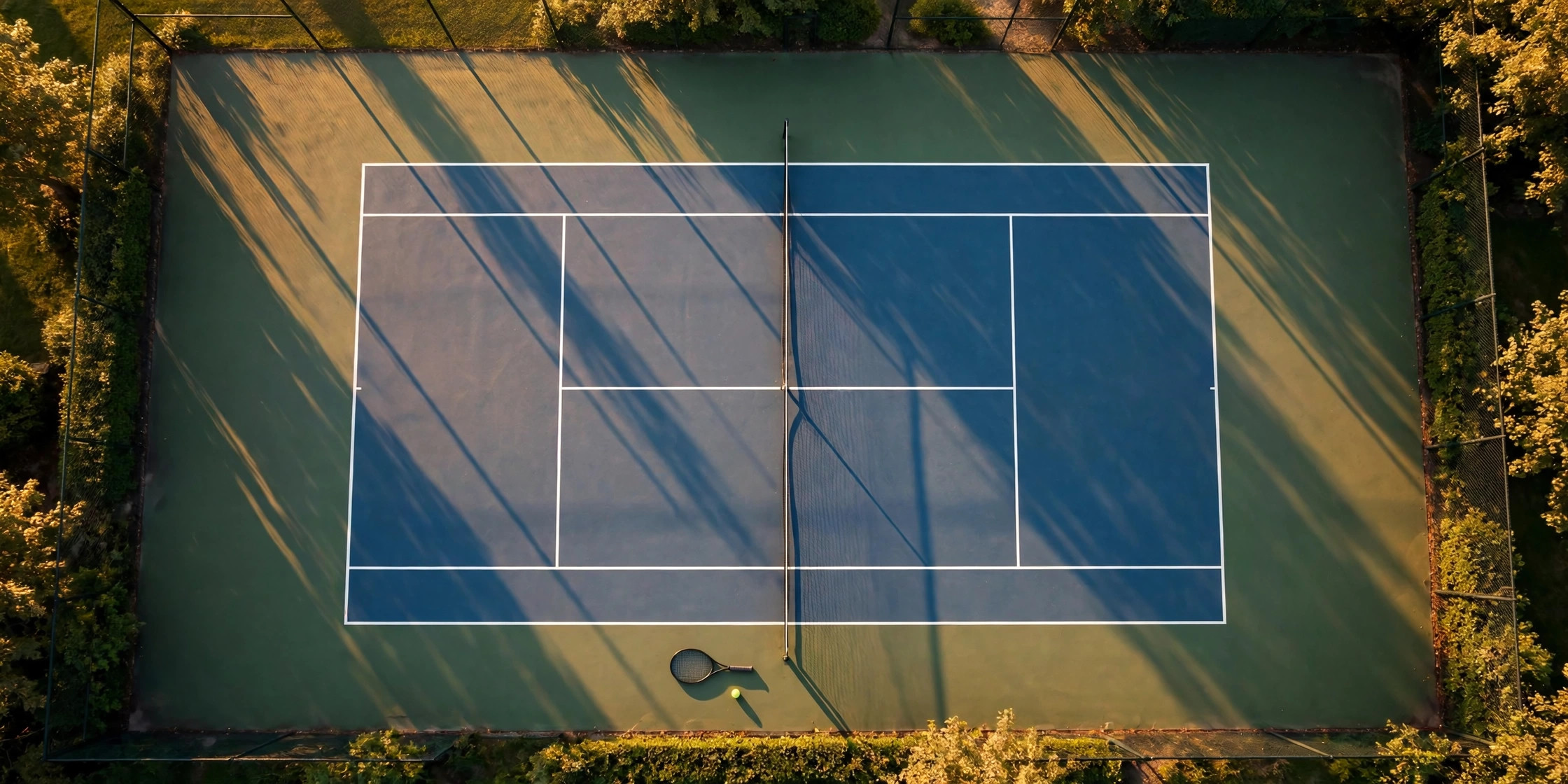
The year begins in Melbourne with the Australian Open, played in mid-to-late January at the height of the southern summer. It is a hard-court event, famous for heat that can push conditions to extremes and for night sessions that roll past midnight. Players arrive fresh from the off-season, which makes it the most open of the four: early rounds are full of surprise results as top seeds shake off rust. Its courts are a distinctive blue, its atmosphere is relaxed, and it proudly calls itself the “Happy Slam”. Three of its show courts have roofs, so rain rarely stops play for long.
Spring belongs to Paris and Roland Garros, played from late May into early June on outdoor clay. Clay is the slowest surface in the game: the ball bounces high, rallies stretch long, and sliding into shots is a skill in itself. Points are constructed rather than blasted, and the tournament has crowned some of the most one-sided dynasties in sport, because mastering clay movement takes years. The red dust gets into everything — socks, shoes, and eventually legend. If the Australian Open asks who is freshest, Paris asks who is toughest.
Summer and autumn: the Grand Slam tournaments change character
Wimbledon follows in late June and early July, the oldest tournament in tennis, still played on outdoor grass in south-west London. Grass is the fastest, lowest-bouncing surface, rewarding big serves, quick points and players willing to move forward to the net. Wimbledon keeps its traditions with unusual pride: an all-white dress code, no play on the middle Sunday in most years, strawberries and cream, and a queue for tickets that has become part of the event itself. Winning Wimbledon remains, for many players raised on the sport’s history, the single most treasured prize of all.
The season’s final Slam is the US Open in New York, running from late August into September on hard courts at Flushing Meadows. It is the loudest of the four: night crowds, music between games, aircraft overhead, and the biggest stadium in tennis. The hard courts sit in the middle of the speed range, neither as slick as grass nor as slow as clay, and the late-summer scheduling means players arrive carrying a full season’s fatigue and injuries. Coping with the noise and the chaos is part of the test, and first-time champions have a habit of emerging there.
What separates the Grand Slam tournaments from every other event
Three things lift the Slams above the weekly tour. First, the format: men’s singles is the best of five sets, which makes comebacks from two sets down possible and rewards stamina across two weeks — a structure we unpack in Tennis Scoring Explained: Sets, Games, Tiebreaks and Grand Slams. Second, the fields: everyone who is fit plays, all 128 draw places deep, so there is nowhere to hide from round one. Third, the history: each event predates the modern tour by decades, and the trophies carry the names of champions stretching back more than a century.
The tournaments are run individually but sit within the framework of the international calendar overseen by bodies including ITF, and their ranking points are double those of the next tier of events. For a new viewer, the simplest entry point is to pick one Slam and follow it properly for a fortnight. By the second weekend you will understand its surface, its sounds and its favourites — and you will start counting the weeks, as every tennis fan does, until the next one begins.
Practical details underline their status. Each Slam offers equal prize money to men and women, a policy the US Open pioneered and the others eventually followed, and the champion’s ranking points are double those of any regular tour event. Tickets for the show courts sell out months ahead, and the tournaments anchor their cities’ sporting calendars the way festivals anchor a cultural one. Players plan their seasons backwards from these four fortnights — choosing rest, surfaces and warm-up events to peak at the right moment. That is why a Slam title is never just another trophy: it is the prize the entire sport organises itself around, four times a year, in four unmistakably different ways.